
 by
by 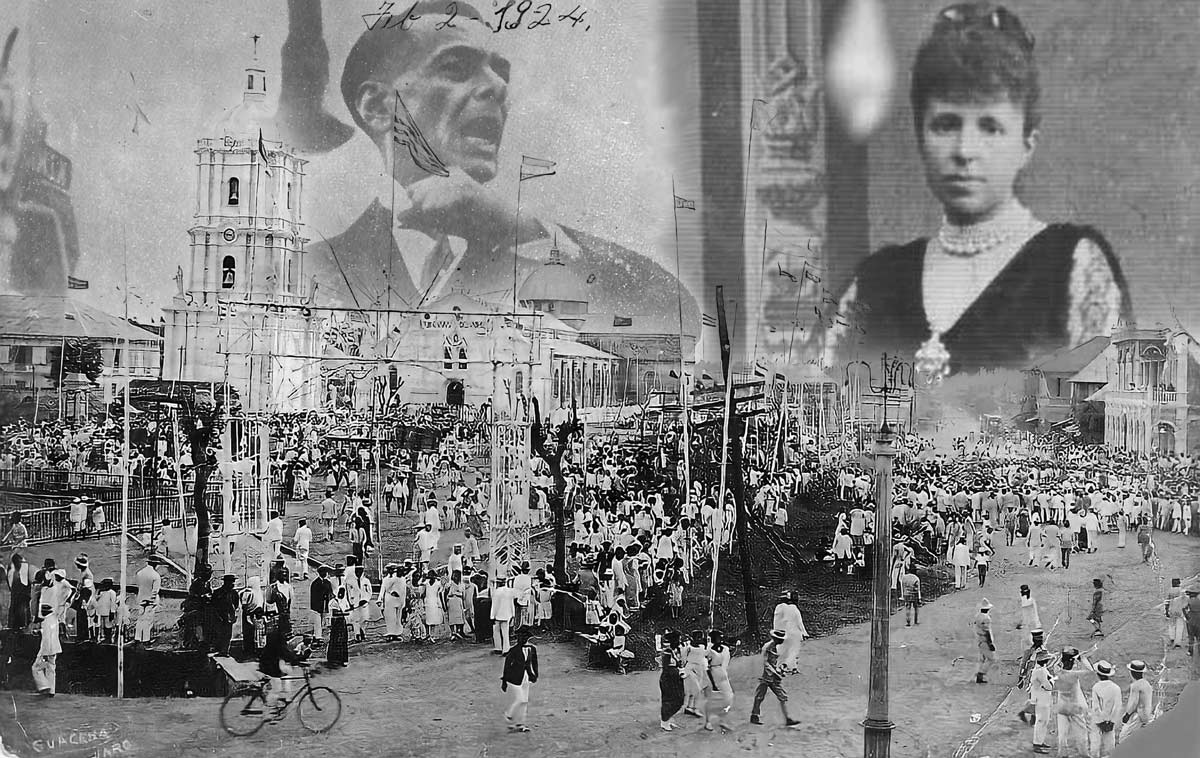
For many Ilonggos, the narrative of Iloilo City’s birth on August 25, 1937 is a familiar tale of five districts—Iloilo (City Proper), La Paz, Mandurriao, Molo, and Arevalo—uniting to form the chartered city. But there’s a fascinating missing piece: a powerful, wealthy “sister city” that stood shoulder-to-shoulder with Iloilo during the Spanish era, only to have its formal inclusion happen almost as an afterthought. You might be surprised to learn that the relationship between Iloilo City Proper and Jaro is a historical drama many haven’t heard in full.
Late 1800s: a port city and a cathedral town
Picture the Iloilo River buzzing with ships, warehouses, and merchants. The port had opened to world trade; Calle Real was the runway for textiles, sugar, and ambition. Iloilo City Proper was the South’s busy storefront.
Now ride a kalesa a little upstream. Jaro had a different rhythm—wide plazas, grand ancestral houses, schools, and the seat of church power. It was where families put down roots, where processions lit up the streets, and where influence moved through parish doors and classrooms rather than wharves and bodegas.
Think of Jaro as a prestige residential and ecclesiastical enclave right beside a hustling commercial downtown—the kind of pairing you see in many big cities. Same urban fabric, two centers of gravity. (In today’s shorthand: Jaro as “Beverly Hills” to City Proper’s downtown L.A.—not a perfect one-to-one, but it captures the character.)
Jaro developed earlier—then the two diverged
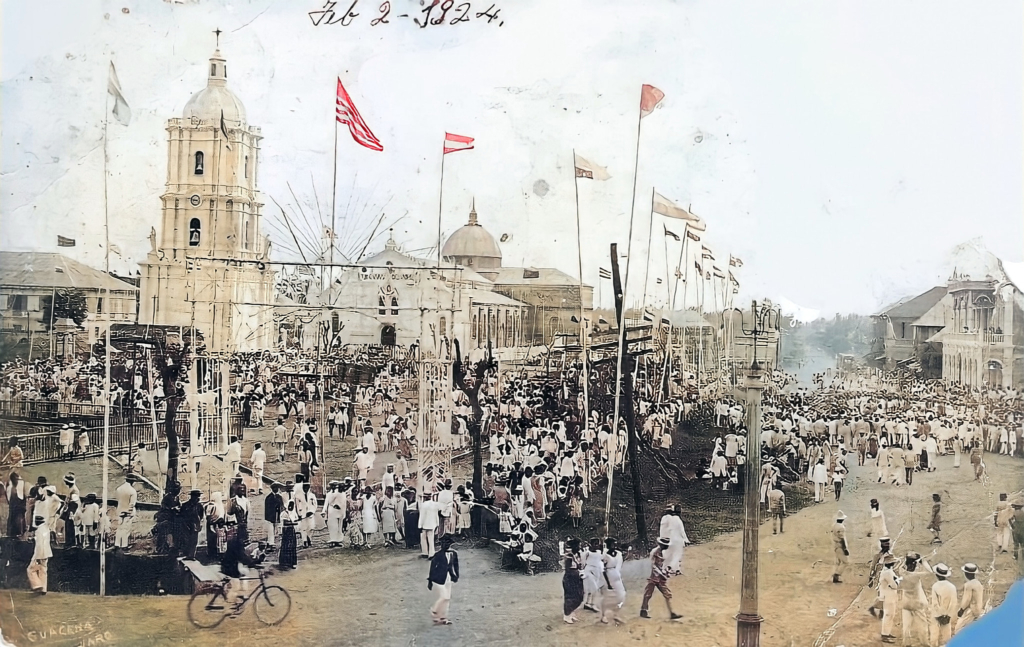
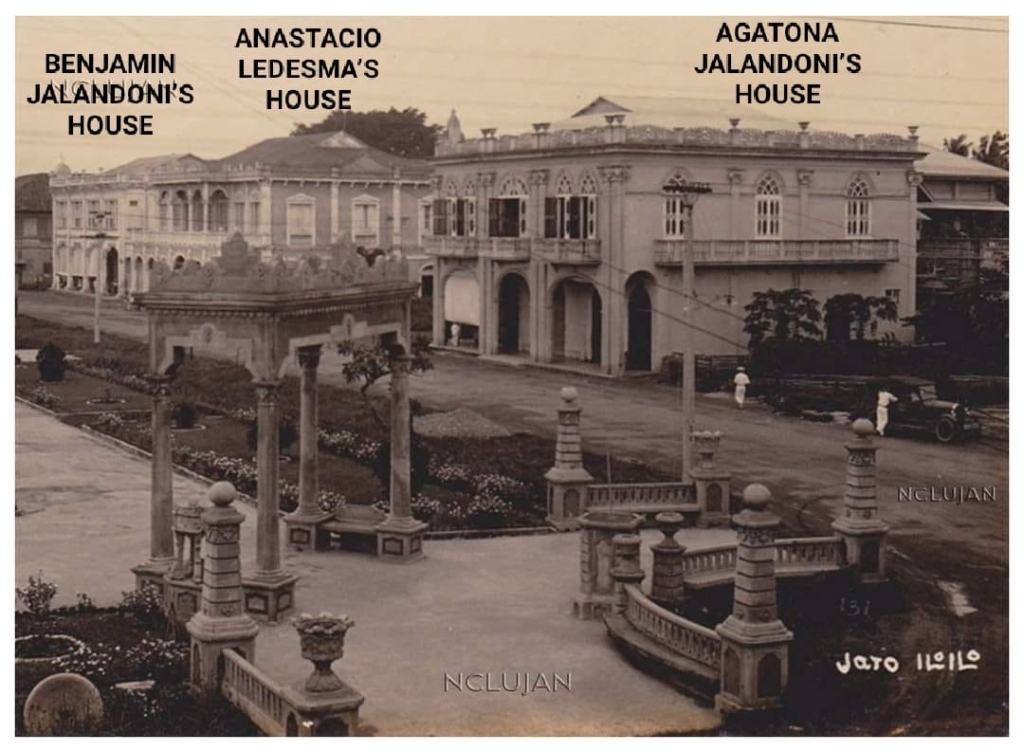
Yes, you read that right: Jaro was widely recognized as a city-town, even before Iloilo was officially declared one. In 1891, riding high on wealth from vast agricultural lands and a flourishing textile industry, Jaro was granted its city charter by the Spanish Crown. Its grand ancestral homes, the palatial residence of the Archbishop (as it was the ecclesiastical capital of Western Visayas), and the bustling Jaro Plaza all spoke of power and prestige.
Meanwhile, Iloilo—fueled by its port opened to global trade in 1855—was rapidly catching up. Its wharves teemed with ships, and Calle Real buzzed with commercial activity. In 1889, Iloilo also achieved cityhood, later honored with the regal title “La Muy Leal y Noble Ciudad” for its loyalty to the Spanish Crown—making Iloilo a big deal across the seas.
American-era reshuffle: the big merge (then unmerge)
In 1903, the colonial government slashed Iloilo Province’s towns and merged Jaro, La Paz, Mandurriao, and Molo into the Municipality of Iloilo (think “proto-Metro Iloilo” under one muni). A few years later, Jaro regained its municipal status—proof it wasn’t going to stay folded in.
At another point, Jaro (with Pavia and Leganes attached) existed shoulder-to-shoulder with Iloilo as peers—this time as municipalities, not cities.
And then, the final merge…
Enter the Commonwealth. Commonwealth Act No. 57 (1936) created the City of Iloilo, quickly tweaked by CA 158 (1936). The city was formally inaugurated on August 25, 1937, bringing in La Paz, Molo, Mandurriao, and Arevalo.
Jaro was not part of the initial lineup.
Lawmakers returned with CA 604 (August 22, 1940) to expand the city’s territory to include Jaro, but they left the effective date to the President. President Manuel L. Quezon then signed Proclamation No. 663 on January 7, 1941, making the annexation effective January 16, 1941.
Why the delay? Historical records suggest a couple of reasons. First, having been a city itself, Jaro likely held a different legal standing compared to the other municipalities being merged. Second, its strong sense of identity and historical importance may have required a distinct integration process.
If you prefer the non-dramatic version: it was mostly legal housekeeping and timing. The charter launched in 1937; Jaro’s inclusion followed after boundary issues (like Leganes) were settled and once CA 604 plus the presidential proclamation were in place.
The annex that completed the Iloilo City story
Think about that for a moment. The narrative we often hear focuses on the five founding districts of 1937. Yet one of the most historically significant and influential areas—a city in its own right during the Spanish era—was integrated later. It’s like the star player joining the championship celebration a few seasons late.
The legacy of this unique history is still visible today. Jaro maintains a distinct character—its grand architecture, the prominence of the Jaro Cathedral, and a strong sense of community. Knowing that it was once a separate city, a contemporary of Iloilo in status (if not in primary economic activity), adds a rich layer of understanding to the Iloilo City we know and love.
So the next time you hear about Iloilo City’s Charter Day, remember the tale of two queens—the industrial heart of Iloilo and the aristocratic soul of Jaro—and how their eventual unification under one crown carries both historical significance and a touch of the unexpected. Even the most familiar stories hold hidden chapters waiting to be discovered—chapters that deepen our appreciation for the vibrant, complex history of our beloved Iloilo City.